The Forge
Forged, not manufactured
Project Nine wedges are not made in a factory. They are made in a Colorado workshop — one smith, one anvil, one head at a time.
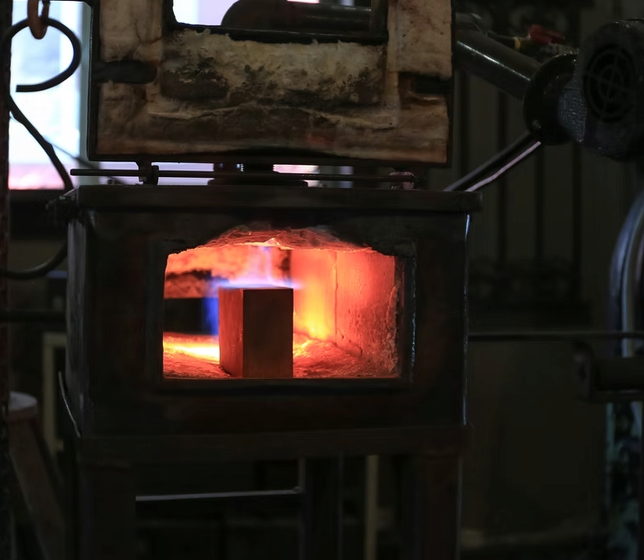
Every head begins as a single solid billet. Not a casting. Not a machined blank. It is forge-heated until it moves, shaped under the hammer, ground and grooved by hand, then stamped with its forge number and entered in the batch record.
Same wedge. Your choice of steel.
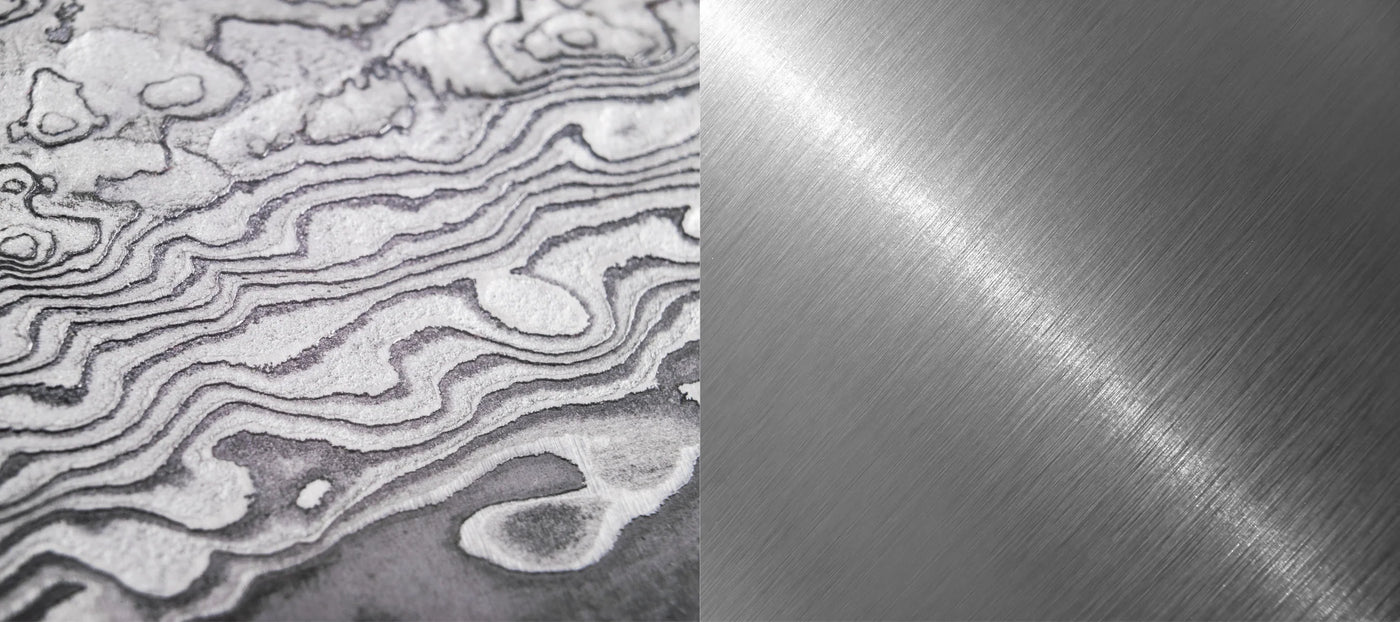
We forge the same head from two materials. Damascus is layered 1020 carbon — compressed and folded so the grinding reveals a pattern that exists in no other wedge on earth. 1020 carbon is that same steel, clean and unlayered: no pattern, no ceremony, and the soft dense feel that made forged wedges worth forging.
Same shape. Same grind. Same hands. The steel is the only thing that changes.
RAW means it will rust
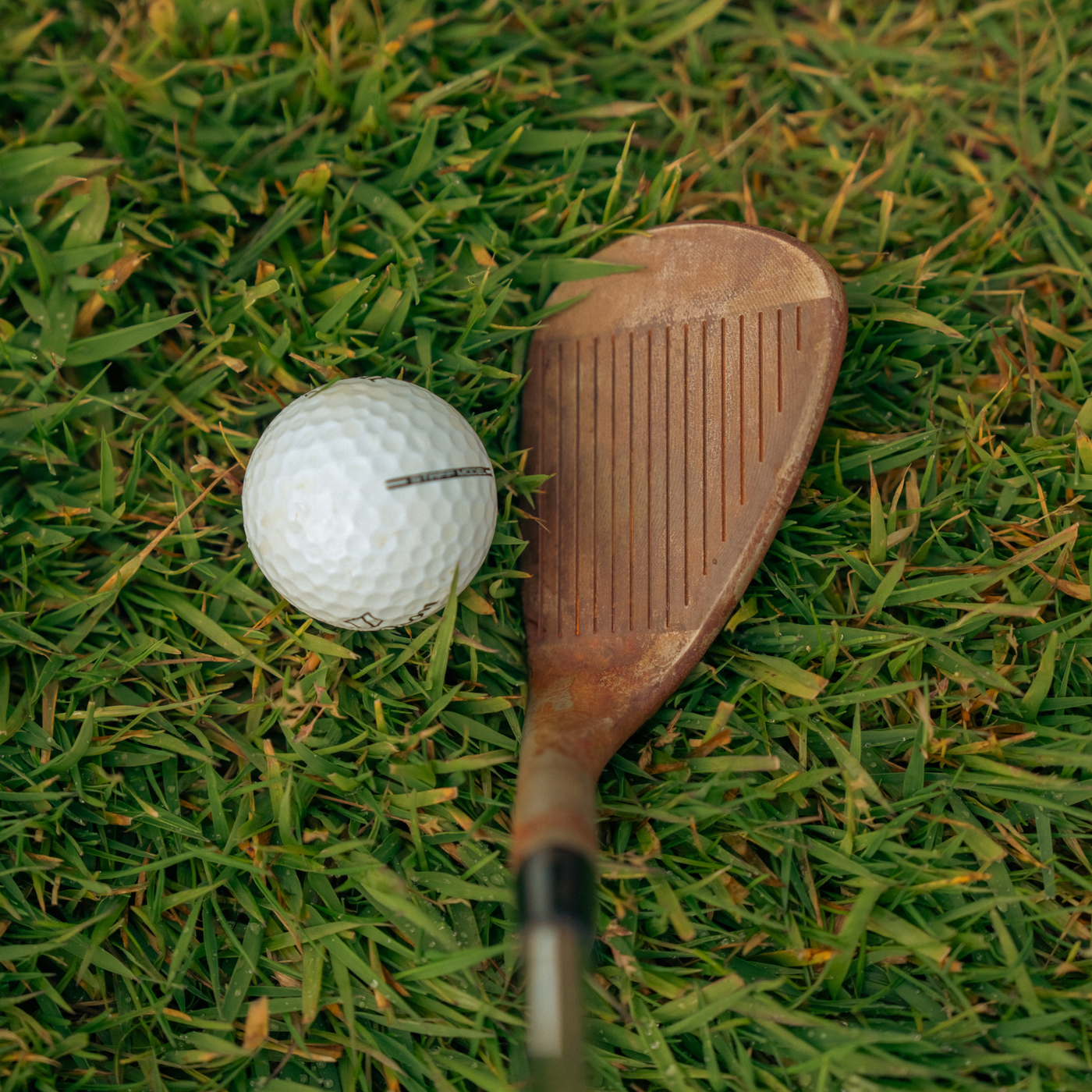
Both wedges ship RAW: bare steel, no plating, no chrome, no clear coat. They will rust. Oxidation starts within the first few rounds and deepens over time into a patina shaped by your climate, your hands, and your turf.
We do not consider this a flaw to be disclosed. It is the finish we chose. A raw face grips the ball, and the steel keeps a record of the rounds you have played. Wipe it dry, oil it occasionally, and the patina becomes yours rather than the weather's.
Why made to order
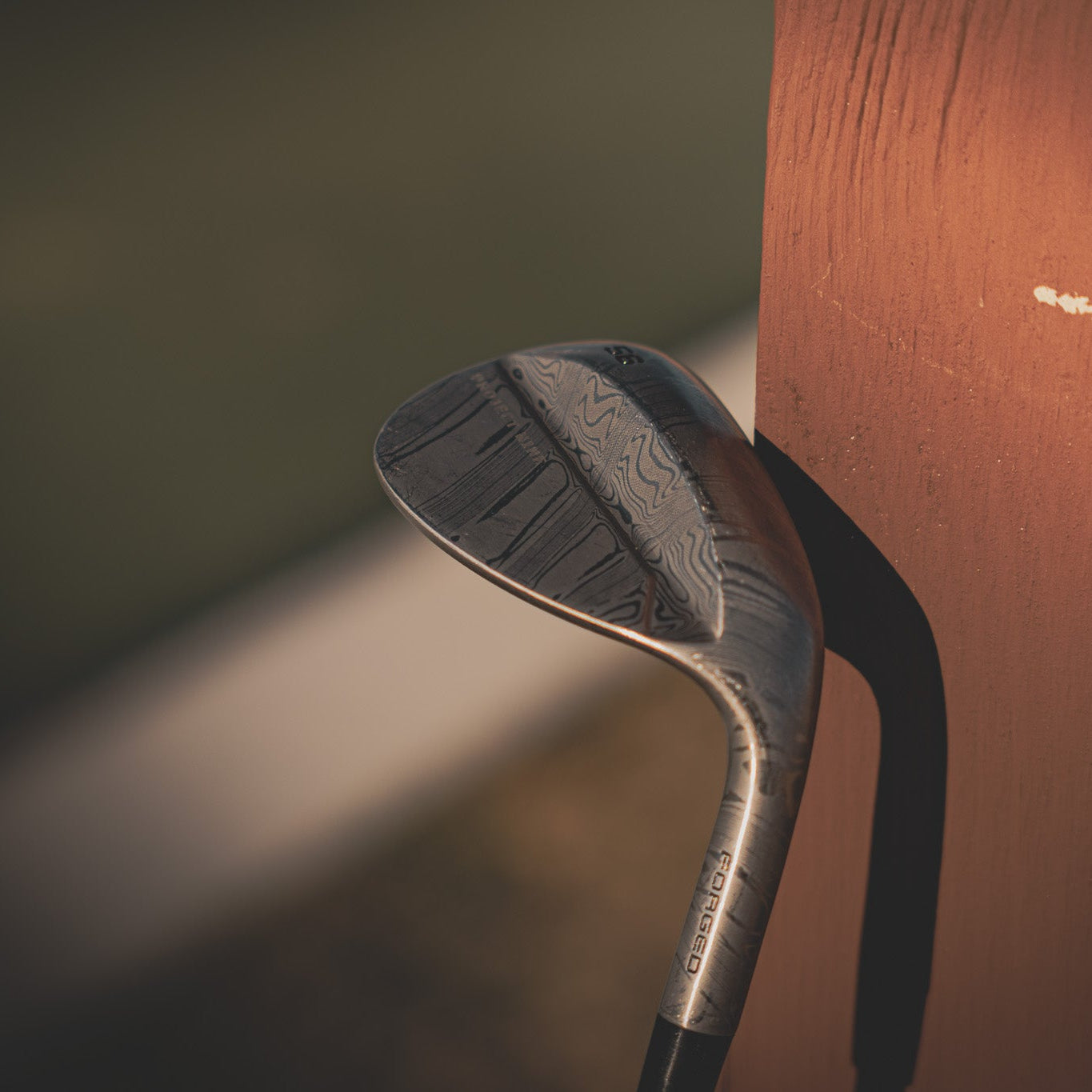
We do not stock shelves. Each wedge is commissioned, forged, and hand-finished in small batches — which is why we ask for three to four weeks, and why we say it plainly rather than dressing it up.
A wedge that waits in a warehouse was made for nobody. Yours is made for you, and the ledger records the day it happened.
Five Stages. Two Hands.
The Billet
Every wedge begins as one solid billet — not a casting, not a machined blank. For Damascus, the layers that will become your face pattern are already inside it, waiting for the fire. For carbon, the steel is clean and quiet from the start.
The Fire
The billet goes into the forge and comes out glowing. Heat is what lets steel be persuaded — and it is where a mass-produced head and a hand-forged one part ways forever.
The Anvil
Under the hammer, the billet becomes a head: hosel drawn, sole set, profile trued by eye and experience. No two hammer sessions are identical — which is the point.
The Grind
Grinding sets the bounce and finishes the face that will meet the ball. On a Damascus head, this is also the moment the pattern first shows itself — layers opening under the belt, yours and no one else's.
The Mark
Finished heads are stamped with the forge mark and their number, then logged in the batch record — Damascus or carbon, the same ledger holds them both. When yours ships, it already knows it. Provenance, not packaging.
Forged on the Front Range
Project Nine wedges aren't made in a factory. They're made in a Colorado workshop — one smith, one anvil, one head at a time. The mountain air is thinner up here; the standards aren't. Every head is forged, ground, and finished by the same hands that stamp its number.
One Wedge. Two Materials.
Damascus RAW
Layered 1020 carbon, folded and compressed. Grinding reveals a pattern that exists in no other wedge — yours exactly once.
1020 Carbon RAW
The same head in clean carbon steel. No pattern, no ceremony — just the soft, dense feel that made forged wedges worth forging.
Both wedges ship RAW — bare steel, no plating, no clear coat. They will rust. Oxidation begins within the first few rounds and deepens into a patina shaped by your climate, your hands, and your turf. That is the point: a raw face grips the ball, and the finish keeps a record of the rounds you have played.